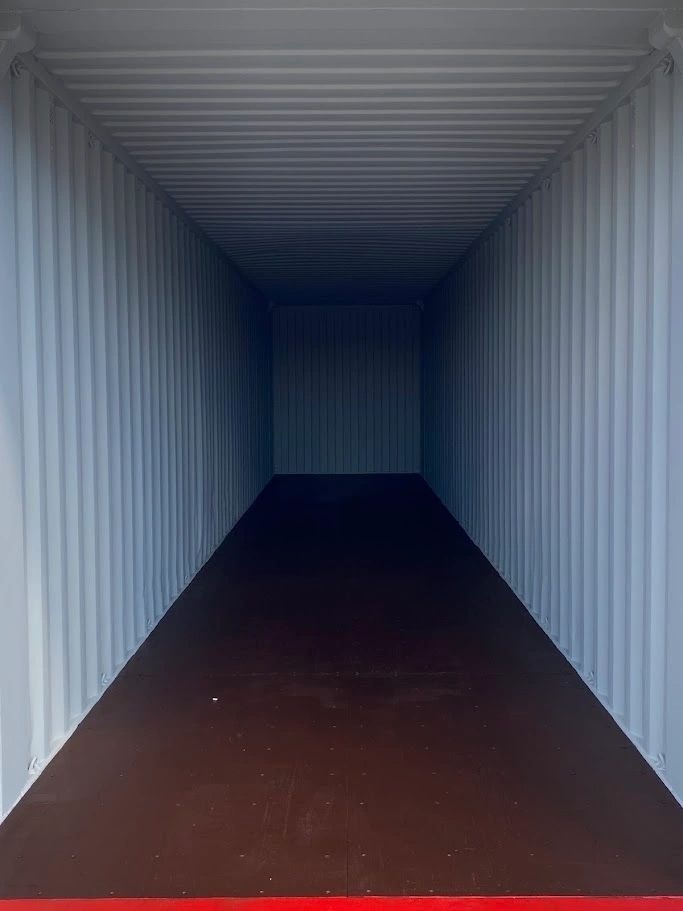
Understanding the 20 Foot Shipping Container Size: A Comprehensive Guide
Shipping containers have transformed the logistics and transport industry. Among the most typical types of containers utilized are the 20-foot shipping containers. This post aims to offer a comprehensive overview of their dimensions, specifications, utilizes, and a handy FAQ section to deal with typical inquiries associated with 20-foot shipping containers.
What is a 20 Foot Shipping Container?
A 20-foot shipping container is a standardized intermodal container that is created for the transportation and storage of cargo. Its size makes it a popular option for numerous industries, whether for shipping goods across oceans or for on-site storage solutions. The dimensions may differ slightly however abide by global shipping requirements.
Basic Dimensions
The standard dimensions for a 20-foot shipping container are as follows:
| Dimension | Measurement |
|---|---|
| External Length | 20 feet (6.06 meters) |
| External Width | 8 feet (2.44 meters) |
| External Height | 8.5 feet (2.59 meters) |
| Internal Length | 19.4 feet (5.9 meters) |
| Internal Width | 7.8 feet (2.35 meters) |
| Internal Height | 7.9 feet (2.39 meters) |
| Maximum Gross Weight | 24,000 kg (52,910 lbs) |
| Payload Capacity | Roughly 28,300 liters |
Volume Capacity
The interior volume of a 20-foot shipping container is critical for identifying just how much cargo it can hold. Here's a detailed breakdown:
| Container Type | Internal Volume (cubic meters) |
|---|---|
| Standard Container | 33.2 m ³( |
| 1,169.3 ft three )High Cube Container 38 m ³( |
1,335.9 ft ³)" High Cube" containers have an additional height, providing extra vertical area for cargo.
Uses of 20 Foot Shipping Containers
The 20-foot shipping container is extremely flexible and serves a multitude of functions, consisting of:
- Shipping: Primarily utilized for transporting items by sea, rail, and road.
- Storage Solutions: Commonly used for on-site storage for businesses and homes.
- Modular Construction: Converted into portable offices, homes, and pop-up stores.
- Recreational Uses: Suitable for transforming into portable activities like bars, coffee shops, and even pool.
- Carrying Vehicles: Designed to firmly carry boats, vehicles, and other machinery.
Advantages of 20 Foot Shipping Containers
The popularity of shipping containers can be credited to several factors, such as:
- Cost-Effective: Generally more economical than other storage options.
- Toughness: Made from strong steel product developed to stand up to severe weather.
- Portability: Easily moved by truck, ship, or rail.
- Security: Lockable doors offer a secure storage option.
- Eco-Friendly: Can be repurposed, decreasing waste and usage of new products.
Disadvantages to Consider
While there are numerous advantages, prospective users should also be conscious of some downsides:
- Limited Insulation: Standard containers may need extra insulation for temperature-sensitive products.
- Rust and Corrosion: If not properly preserved, containers can rust with time.
- Regulatory Restrictions: Depending on the location, zoning laws might impact where containers can be positioned.
Regularly Asked Questions (FAQ)
1. How much does a 20-foot shipping container weigh?
The average weight of a basic 20-foot shipping container is around 2,300 kg (5,071 lbs), while the optimum gross weight can reach approximately 24,000 kg (52,910 lbs), depending on the cargo.
2. Can I modify a 20-foot shipping container?
Yes, 20-foot shipping containers can be modified for a range of usages, consisting of creating windows, doors, and insulation for property or industrial purposes.
3. How much can a 20-foot shipping container hold?
The approximate payload capacity of a standard 20-foot container has to do with 28,300 liters, equivalent to around 10-11 standard-sized pallets or 20,000 kg of cargo.
4. Are 20-foot containers weatherproof?
Yes, they are created to be weather-resistant, but for absolute security against the components, extra sealing or lining might be a good idea depending on the contents.
5. What are the average expenses of purchasing or renting a 20-foot shipping container?
The expense can vary widely based upon condition (new vs. utilized), modifications, and location, but normally, prices range from ₤ 1,500 to ₤ 5,000 to acquire and ₤ 100 to ₤ 200 a month to lease.
6. How do I carry a 20-foot shipping container?
Containers can be transported using flatbed trucks, cranes, and ships. For heavier loads, it's a good idea to utilize customized transport services.
The 20-foot shipping container is a practical, flexible service catering to a range of requirements, from transportation and storage to innovative modular building. Comprehending 20 Container Size , uses, advantages, and constraints can help individuals and companies make informed choices. As a popular feature in contemporary logistics and building and construction, the 20-foot shipping container continues to play a vital function in moving products and helping with creative solutions worldwide.
For those considering buying or utilizing a 20-foot container, weighing its benefits against prospective restrictions will guarantee that it fulfills their specific requirements successfully.